
_BOTTIcelli_.jpg)
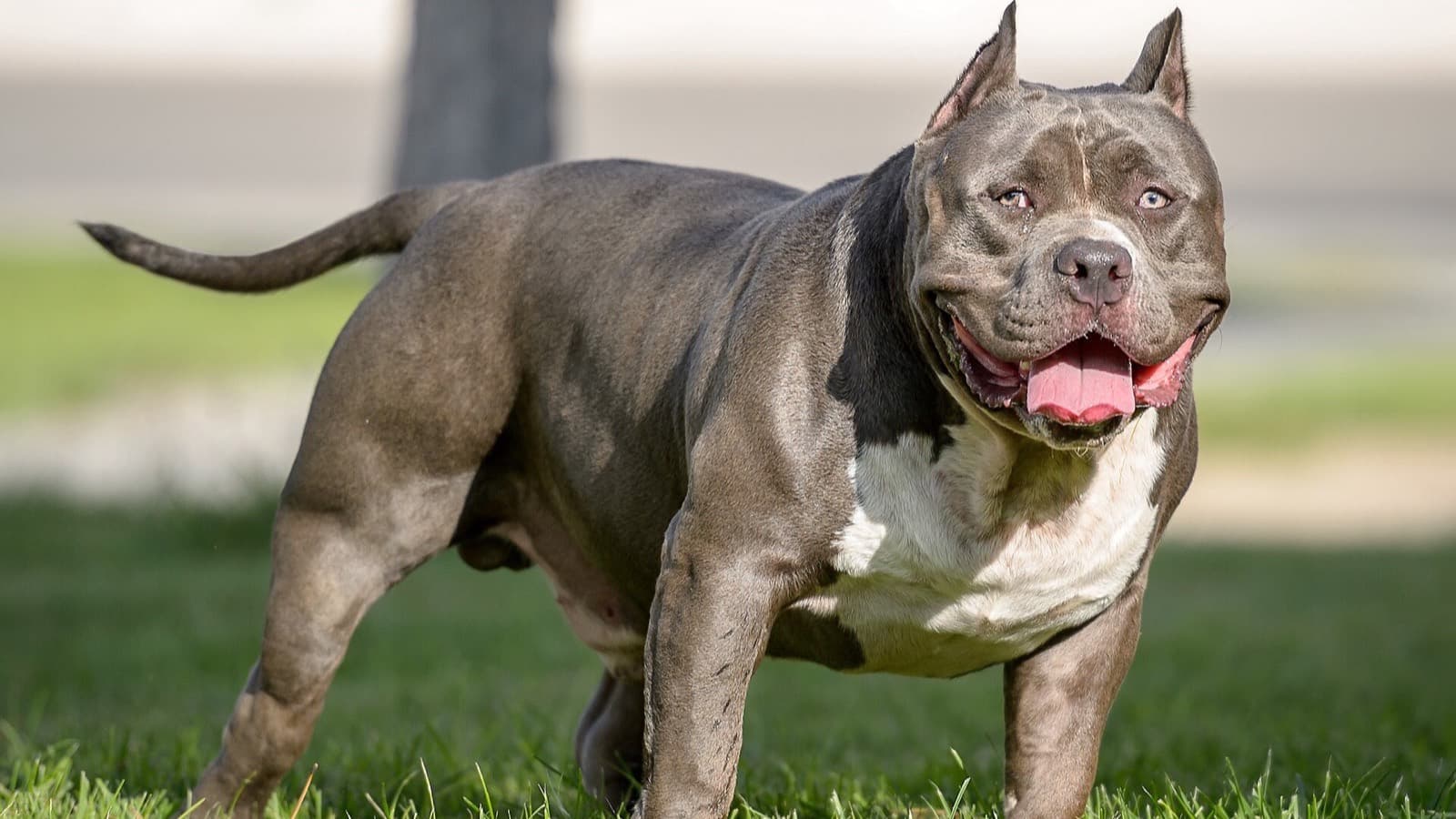
The XL Bully was added to the list of dogs banned under the Dangerous Dogs Act following a series of serious and fatal attacks. Owners of dogs already in the country could keep them only under strict conditions, including registering them on an exemption index, neutering, microchipping, third party insurance, and keeping them muzzled and on a lead in public.
Dogs whose owners could not or did not meet those conditions had to be euthanased, and it was vets who were asked to carry that out.
I would encourage every applicant to understand this one, because it is the clearest recent example of vets being placed in a position they did not choose. Many colleagues found it genuinely distressing to euthanase healthy dogs whose only fault was their shape, and the profession said so publicly at the time.
It may or may not come up in your interview. What it tests is something that comes up constantly: whether you can discuss a subject where public safety and animal welfare pull against each other without collapsing into one side. Our guide to the veterinary hot topics for your vet school interview sets out the wider set, and our common vet school interview questions guide covers the themes behind them.
What is breed specific legislation?
Breed specific legislation restricts or prohibits dogs on the basis of breed or type rather than on anything the individual dog has done. In the UK this sits within the Dangerous Dogs Act, which has prohibited several types since 1991, with the XL Bully added most recently. Crucially the law works on type rather than pedigree: whether a dog falls under it depends on measurements and physical characteristics rather than on a documented parentage, which is one of the reasons enforcement is contested.
That definitional point is worth having ready. A dog can be identified as an XL Bully type without any evidence about its breeding, which means owners of large crossbreeds found themselves affected by a rule they had not anticipated.
Have that distinction ready. Applicants who know the law works on type rather than pedigree can explain why enforcement is contested, which is usually where the discussion goes next.
Why was the XL Bully banned?
The case for the ban rested on the severity of injuries. A number of fatal attacks, including on children, were attributed to dogs of this type, and their size and strength mean that when a bite does occur the damage is far greater than from a small dog. Government argued that ordinary controls were not preventing these incidents quickly enough and that action on type was the fastest available lever.
That argument deserves to be taken seriously in your answer. Applicants sometimes present the ban as obviously misguided, which reads as though they have not thought about the families involved. Whatever your view on the mechanism, the harm that prompted it was real.
Why do many vets argue deed not breed?
Much of the veterinary profession, including the British Veterinary Association, has long argued that legislation should focus on the behaviour of individual dogs and the conduct of their owners rather than on breed. The reasoning has several strands. Breed is a poor predictor of whether a given dog will bite, and behaviour is shaped by breeding for temperament, early socialisation, training and how a dog is kept.
Visual identification of type is unreliable, so enforcement can catch dogs that pose no risk while missing dangerous dogs of other types. And bans may push breeding underground, away from the responsible owners most likely to comply.
There is also a practical objection. If the aim is fewer bites, resources spent identifying and euthanasing dogs by appearance might achieve more if spent on enforcement against irresponsible breeding and ownership, on public education about dog behaviour, and on early intervention with dogs that have already shown aggression.
If you take one phrase into your interview from this article, make it deed not breed, and be able to give one reason behind it rather than just the slogan.
| The case for the ban | The case against breed specific legislation |
|---|---|
| Attacks by very large, powerful dogs cause catastrophic injuries. | Breed is a weak predictor of whether an individual dog will bite. |
| Government needed a fast lever after a run of fatalities. | Identification by appearance is unreliable and catches harmless dogs. |
| Exemption conditions still allow existing dogs to be kept. | Conditions are costly, so poorer owners lose dogs wealthier ones keep. |
| Public confidence matters, especially for families. | Bans may drive breeding underground and out of reach of regulation. |
| Some types are bred deliberately for size and power. | Rearing, training and ownership shape behaviour more than type does. |
| Doing nothing was not politically or publicly tenable. | Resources might prevent more bites if spent on owners and education. |
What did the ban mean for vets in practice?
This is the part that turns a policy debate into a professional one. Vets were asked to euthanase dogs that were healthy and, in many cases, known to the practice and well behaved in the consulting room. Some practices set out their position publicly. Individual vets held different views, and there was discussion within the profession about whether a vet could decline on grounds of conscience and what that would mean for the animal and the owner.
There was a second, quieter effect. Muzzling requirements changed how some dogs could be examined and handled, and rehoming charities faced real difficulty placing affected dogs. If you can mention that the consequences reached beyond the euthanasia itself, you will sound like someone who has thought about how a rule lands in a real building with real people in it.
Example vet school interview questions on the XL Bully ban
Below are the versions worth preparing. Several of them are really asking the same thing: can you hold public safety and animal welfare in mind at the same time.
| Question you might be asked | What the interviewer is testing |
|---|---|
| Does banning a breed make the public safer? | Reasoning about evidence rather than instinct |
| How would you feel about euthanasing a healthy dog? | Composure and honesty on a distressing duty |
| Should a vet be able to refuse on conscience grounds? | Understanding professional obligations and their limits |
| Is it the dog, the breeding or the owner? | Whether you can separate cause from appearance |
| How would you speak to the owner of an affected dog? | Empathy in a conversation with no good outcome |
| What would you do instead, if you were making policy? | Constructive thinking, not just criticism |
| Do you think vets should speak out on legislation? | Views on the profession's public role |
What happened to the dogs and their owners?
It is worth understanding what compliance actually involved, because applicants often describe the ban as though every affected dog was removed. Owners who wished to keep their dog had to apply for a certificate of exemption within a deadline, have the dog neutered and microchipped, hold third party insurance, and keep it muzzled and on a lead in public for the rest of its life. That is a significant and permanent change to how a dog lives, and it carried a cost.
The cost is the part with an uncomfortable edge. Neutering, insurance and the exemption process are affordable for some households and not for others, so the practical effect fell unevenly: owners with money were more able to keep their dogs than owners without. Rescue and rehoming organisations were placed in a particularly difficult position, since dogs in their care generally could not be rehomed under the new rules.
Vets sat in the middle of all of this. Practices fielded frightened owners asking what would happen to their dog, carried out the neutering required for exemption, and in some cases performed euthanasia for dogs whose owners could not comply. Being able to describe that spread of consequences shows an interviewer that you understand a policy is not just a principle, it is something that arrives in a consulting room.
How to answer a vet school interview question on the XL Bully ban
Usually it comes bluntly: do you think the XL Bully ban was the right decision?
I would build the answer in this order. "I would start with why it happened, because I do not think you can answer this without taking the attacks seriously. Several people died, including children, and when a dog that size does bite, the injuries are catastrophic. So I understand why the government wanted to act quickly and I would not dismiss that."
"My hesitation is about the mechanism rather than the intention. Breed is not a very good predictor of whether a particular dog will bite, and identification is done on appearance rather than parentage, so you can catch dogs that were never a risk and miss dangerous dogs of other types. Most of the profession argues for deed not breed for that reason, focusing on the individual dog's behaviour and on the owner.
I also think the effect on vets was underestimated, because colleagues were asked to euthanase healthy, familiar dogs and many found that very hard."
"So on balance I think I would have preferred stronger action on breeding and ownership, with intervention aimed at dogs that had already shown aggression. But I hold that fairly loosely. If the evidence showed that the ban had genuinely reduced serious injuries, that would matter, and I would want to see that data before being confident."
That answer does the three things this kind of question is marked on. It engages seriously with the harm that prompted the policy before disagreeing with it. It gives a reason for the disagreement that is about evidence rather than sentiment. And it commits to a position while naming what would change its mind, which is exactly the posture the profession wants in someone who will one day have to make decisions under uncertainty.
Three answers reliably disappoint. Refusing to give a view at all reads as evasive rather than balanced. Arguing purely from love of dogs, with no acknowledgement of the families affected, sounds naive. And claiming certainty that the ban does or does not work overstates what the evidence can currently support.
How to prepare this topic for your vet school interview
Know what the exemption conditions actually are, because candidates often talk about a ban without knowing that existing dogs could be kept under conditions. Understand the deed not breed argument well enough to state it in one sentence. Be ready for the personal question about euthanasia, and answer it honestly rather than heroically.
Check the current position before you go in, because legislation and its enforcement change, and the devolved nations have not always moved at the same time. This topic also sits close to brachycephalic breeds and dog welfare, since both are ultimately about how human choices about how dogs should look and behave create veterinary problems. If you want to rehearse this kind of contested question with feedback, it is central to The Vet Offer Programme, and our vet school interview tips cover the wider format.
Common questions
Why was the XL Bully banned in the UK?+
The XL Bully was added to the prohibited types under the Dangerous Dogs Act after a series of serious and fatal attacks, including on children. Government argued that the size and strength of these dogs made attacks unusually severe and that action on type was the fastest available response. Existing dogs could be kept only under strict exemption conditions.
What is breed specific legislation?+
Breed specific legislation restricts or prohibits dogs based on their breed or type rather than on anything the individual dog has done. In the UK it operates through the Dangerous Dogs Act. Identification works on physical type rather than documented pedigree, which is one reason it is contested.
What does deed not breed mean?+
Deed not breed is the principle that legislation should target the behaviour of individual dogs and the conduct of their owners rather than breed or appearance. Much of the veterinary profession supports it, arguing that breed is a weak predictor of aggression and that breeding, socialisation, training and ownership matter far more.
Did vets have to euthanase healthy XL Bullies?+
Yes. Where owners could not or did not meet the exemption conditions, affected dogs had to be euthanased, and that fell to veterinary surgeons. Many found it deeply distressing, since the dogs were often healthy and well known to the practice, and the profession discussed the professional and ethical strain openly at the time.
Do vet schools ask about the XL Bully ban at interview?+
It can come up, usually as a balanced discussion or ethics question rather than a test of legal detail. Interviewers want to see whether you can weigh public safety against animal welfare fairly, engage with the attacks that prompted the ban, and reach a reasoned view while acknowledging the other side.