
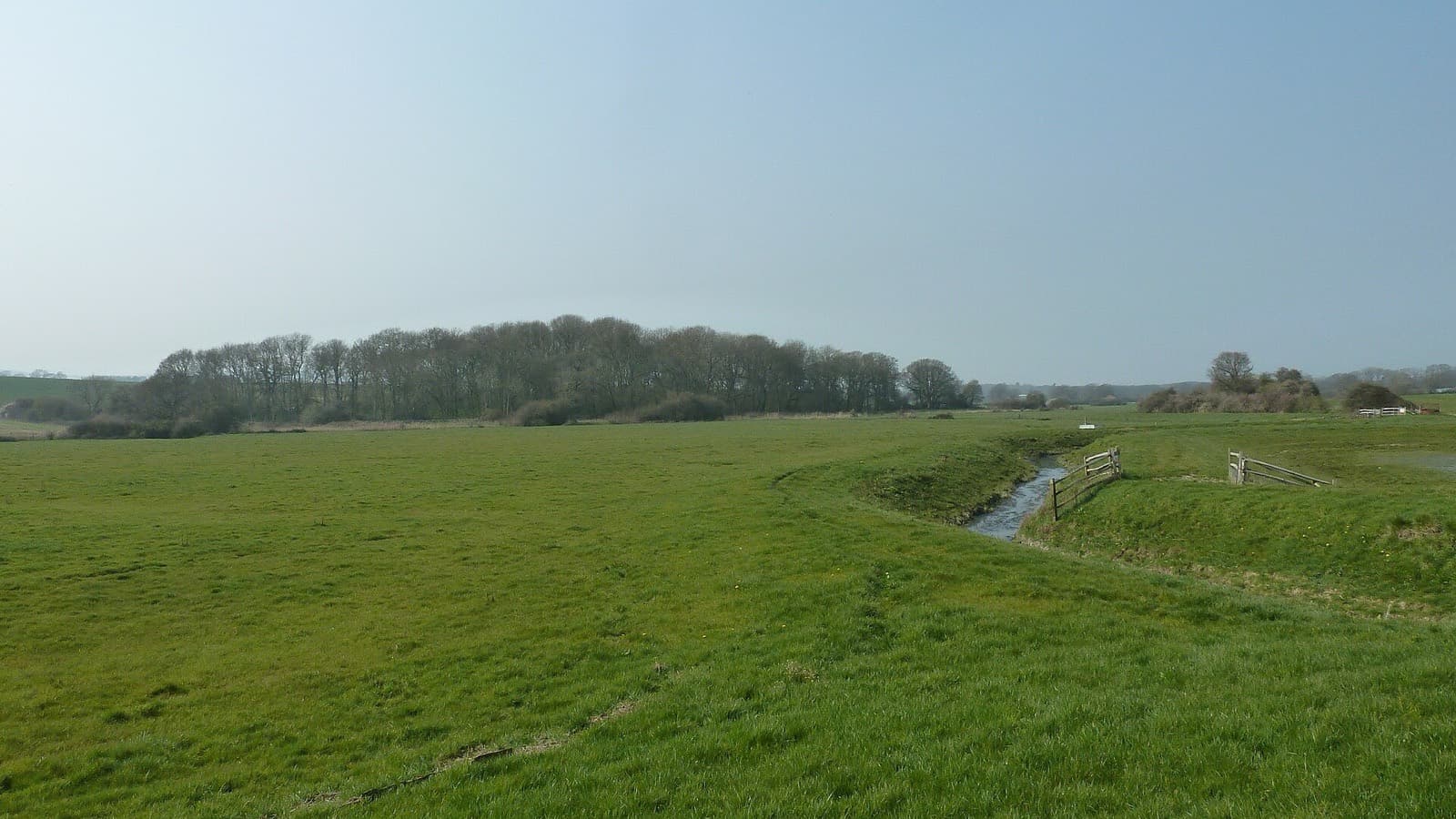

The insecticides in routine flea and tick treatments, particularly fipronil and imidacloprid, are highly toxic to insects and other invertebrates, and both have been detected widely in English rivers at concentrations above the levels considered safe for aquatic life. They reach the water through ordinary use rather than misuse: treated dogs swimming or being bathed, residues washed off hands after application, and bedding going through the laundry. Because these compounds are designed to be persistent on the animal, they persist in the environment too.
As a result the profession is moving away from treating every pet every month by default and towards risk based prescribing, treating the animals that need it when they need it.
I have started recommending this topic to applicants because almost nobody prepares it, and it makes you sound like someone who actually reads about the profession rather than someone who revised a list. It is also a genuinely interesting example of veterinary medicine noticing an unintended consequence of its own routine advice and changing course.
It is unlikely to be the headline question at your interview. It is very useful as the specific example you reach for when asked about sustainability, or about how the profession responds to new evidence. For the wider set of issues, see our guide to the veterinary hot topics for your vet school interview, and our common vet school interview questions guide for the themes behind them.
What are parasiticides and why does every pet get them?
Parasiticides are the products used to kill or repel parasites such as fleas, ticks, mites and worms. For years the standard advice, reinforced by health plans and subscription schemes, was that every dog and cat should receive treatment monthly, all year round, whether or not there was any sign of parasites. The intention was reasonable: fleas are unpleasant and cause allergic skin disease, ticks transmit disease including Lyme, and some parasites can affect people, particularly children.
The unintended effect was scale. Millions of animals treated every month, most of them at no meaningful risk at that moment, adds up to a very large quantity of potent insecticide applied to the coats of animals that then live in our homes, swim in our rivers and sleep in bedding that gets washed.
That history matters at interview, because it explains why the old advice was not foolish. It was a reasonable answer to a real problem, and the evidence has since moved.
How do flea treatments end up in rivers?
There is no single dramatic route, which is part of why it went unnoticed for so long. Spot on products sit in the coat and skin oils for weeks by design. A dog that swims in a river shortly after treatment carries some of that into the water directly. Bathing does the same through the drain.
Owners who apply a pipette and then wash their hands send a small amount down the sink. Bedding and towels washed at home add more, and wastewater treatment was never designed to remove these compounds.
Individually each of these is tiny. Multiplied by the number of treated pets in the country, it is enough that monitoring has repeatedly found fipronil and imidacloprid in rivers across England, often at levels that exceed what is considered safe for the insects and other invertebrates that river ecosystems are built on. Those invertebrates feed fish and birds, so the effect does not stop at the insects.
This is the detail worth carrying into an interview. Being able to describe how an ordinary bath or a swim puts insecticide into a river is far more convincing than saying flea treatments harm the environment.
| Route into the environment | Why it matters |
|---|---|
| Treated dogs swimming | Puts the compound directly into the watercourse |
| Bathing and grooming | Washes residue into wastewater that treatment cannot remove |
| Hand washing after application | Small amounts, but repeated across millions of households |
| Washing pet bedding and towels | Another routine domestic route into wastewater |
| Petting and normal contact | Transfers residue onto hands, surfaces and clothing |
| Persistence by design | Products are made to last on the coat, so they last in water too |
What is risk based prescribing?
Risk based prescribing means assessing the individual animal rather than applying a blanket protocol. A vet asks what parasites this animal is actually likely to meet, given where it lives, what it does, who it lives with and the season. A farm dog running through long grass in tick country in spring, or a cat that hunts and roams, is in a very different position from an indoor cat that never meets another animal.
The result is not that treatment stops. It is that it becomes deliberate. Some animals still need regular year round cover and will get it. Others may need seasonal treatment, or treatment only when there is evidence of a problem. Households with young children or immunosuppressed members may weigh the balance differently, particularly for worms. The point is that a prescribing decision is made rather than assumed.
It is worth noticing that this is the same logic the profession applies to antibiotics. Treating only where treatment is justified, rather than routinely and prophylactically, is exactly the argument behind responsible use in antimicrobial resistance. If you can connect those two in an interview, you are showing a principle rather than a fact.
What else is the profession doing about sustainability?
Parasiticides are the sharpest current example, but they sit inside a broader effort. Inhalational anaesthetic agents are potent greenhouse gases, and practices have been reducing their impact by moving away from the worst offenders where clinically appropriate, using lower fresh gas flows and considering alternative techniques. Clinical work generates a great deal of single use plastic, and practices are working on waste segregation and reduction.
Farm animal veterinary work carries a larger lever still, since improving herd health improves productivity per animal and reduces emissions per unit of food produced, which makes preventive veterinary medicine an environmental intervention as well as a welfare one. That link between good veterinary care and lower environmental cost is a strong point to make if sustainability comes up.
If you are asked how vets can reduce their environmental impact, having one of these beyond recycling will serve you well.
Example vet school interview questions on sustainability
This topic rarely arrives under its own name. It usually appears inside a question about the future of the profession, about prescribing, or about advising a client. Below are the forms it takes.
In mocks it shows up like this. Notice how rarely the word sustainability appears in the question itself.
| Question you might be asked | What the interviewer is testing |
|---|---|
| Should every pet have monthly flea treatment? | Whether you can question a routine most people accept |
| How can vets reduce their environmental impact? | Breadth beyond the obvious answer of recycling |
| An owner insists on year round treatment. What do you say? | Explaining a change of advice without undermining trust |
| Is there a conflict between animal welfare and the environment? | Comfort with a genuine tension |
| Why has advice on parasiticides changed? | Understanding that evidence moves and practice follows |
| What would you do about a tick risk in a rural area? | Applying risk based thinking to a real case |
| Do vets have a duty beyond the animal in front of them? | Grasp of the profession's wider responsibilities |
How to answer a vet school interview question on parasiticides
It is most likely to arrive as a client scenario: an owner comes in expecting the usual monthly flea treatment for an indoor cat, and asks you to prescribe it.
The answers that work start with curiosity rather than a refusal. "I would not want to just refuse, because they are trying to do the right thing by their cat and they have been told for years that this is what responsible owners do. So I would start by asking about the cat. Whether it goes outside at all, whether there are other pets, whether anyone has seen fleas, and whether there are young children in the house."
"Then I would explain why the advice has shifted. I would say that these products are very effective insecticides, that they have been found in rivers at levels that harm the insects other wildlife depends on, and that a lot of that comes from ordinary things like bathing a dog or washing bedding. So the profession has moved towards treating the animals that are actually at risk rather than treating everything by default.
For a strictly indoor cat with no other pets and no sign of fleas, I would suggest we monitor rather than treat, and I would tell them exactly what to look for and to come back if they see anything."
"I would also be honest that this is a change, and that they were not wrong to have done it the old way. I think owners take a change of advice much better if you do not make them feel foolish for following the previous version of it."
A change in scientific advice is explained there rather than announced. It gathers information before making a decision, which is what risk based prescribing actually is. It gives a specific environmental mechanism rather than a vague appeal to sustainability. And that last line about not making the owner feel foolish is the kind of thing that makes an interviewer sit up, because it shows you have thought about how people receive information, not just what information is correct.
Watch for three errors here: treating the owner as irresponsible, which loses them entirely; presenting this as settled and simple when households with children or high tick areas genuinely need a different balance; and reaching for sustainability as a slogan without being able to say what the actual harm is. If you mention rivers, be ready to explain how the product gets there.
How to prepare sustainability for your vet school interview
Learn one concrete example properly rather than three vaguely. The parasiticide story is ideal because it has a clear mechanism, a real body of monitoring evidence, and a change in professional behaviour as a result. Be able to name the two compounds, describe two routes into water, and explain what risk based prescribing means.
Ask about it on work experience if you get the chance, because practices differ in how far they have moved and vets tend to have views. It also connects neatly to antimicrobial resistance, which follows the same treat only where justified logic, and to the cost of veterinary care, since health plans and subscriptions are part of why blanket treatment became normal. Practising these client conversations with feedback is part of The Vet Offer Programme.
Common questions
Why are flea treatments bad for rivers?+
Common spot on flea products contain fipronil or imidacloprid, insecticides that are highly toxic to invertebrates. They reach watercourses through ordinary use, including treated dogs swimming, bathing, hand washing after application and laundering pet bedding. Both have been found widely in English rivers at concentrations above levels considered safe for aquatic insect life.
Should every pet have monthly flea treatment?+
Increasingly the answer is no. The profession is moving from blanket monthly treatment towards risk based prescribing, where the vet assesses the individual animal's actual exposure based on lifestyle, environment, other pets, the season and the household. Some animals still need regular year round cover, but it is now a decision rather than an assumption.
What is risk based parasite prescribing?+
Risk based prescribing means assessing what parasites an individual animal is genuinely likely to encounter, then treating accordingly, rather than applying the same protocol to every pet. It considers whether the animal goes outdoors, hunts, mixes with other animals, lives in a tick area, and who else is in the household, including young children.
How can vets reduce their environmental impact?+
Beyond parasiticide stewardship, practices are reducing the use of the most potent inhalational anaesthetic agents where clinically appropriate, lowering fresh gas flows, cutting and segregating single use plastic waste, and recognising that good preventive farm animal medicine lowers emissions per unit of food produced by keeping herds healthier.
Do vet schools ask about sustainability at interview?+
It can come up, usually inside a question about the future of the profession or about advising a client rather than as a standalone environmental question. Having one concrete example, such as parasiticides in rivers, is far more convincing than general enthusiasm for sustainability.