
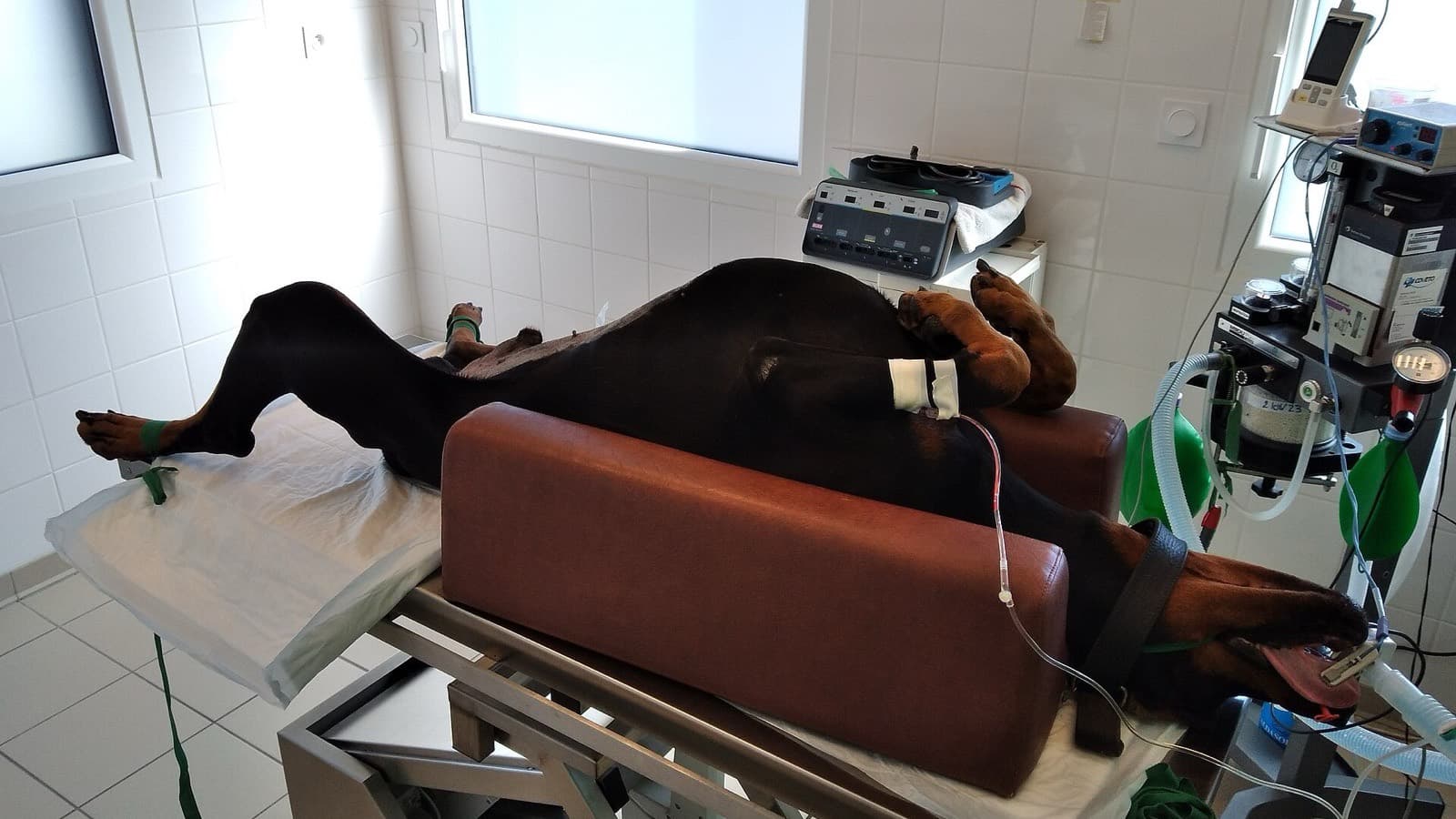

Veterinary treatment in the UK is expensive because there is no NHS for pets, so owners meet the full, unsubsidised cost of care at the moment they are least able to absorb it. That cost has climbed because veterinary medicine can now do far more than it once could, with CT and MRI scanning, chemotherapy, referral level surgery and intensive care all requiring costly equipment and highly trained people.
Drug prices, premises costs and salaries have risen, and most UK small animal practices are now owned by large veterinary groups rather than by the vets working in them.
In 2026 the Competition and Markets Authority concluded that this market was not working well for pet owners, largely because of poor price transparency and unclear ownership, and set out reforms.
The Competition and Markets Authority, usually shortened to the CMA, exists to make sure UK markets work fairly for consumers. It escalated its concerns about veterinary services for household pets into a full market investigation in May 2024 and published its final report in March 2026. The reforms cover published price lists, written estimates, prescription fee caps, disclosure of who owns a practice, and protection of vets' clinical independence. At the time of writing the legal Orders giving those reforms their teeth are still being finalised.
Will a panel actually ask you about the CMA? Honestly, they might not, and I would never tell an applicant to memorise a regulator's report. But I would tell you to understand the money that sits underneath veterinary practice, because it lies beneath a great many of the ethics scenarios that do come up: the owner who cannot afford surgery, the client who accuses you of being in it for the profit.
This article expands one section of our guide to veterinary hot topics for your vet school interview, and sits alongside the common vet school interview questions you are most likely to face.
Why have vet bills risen so much?
The honest first answer, and the one I give clients in the consulting room, is that veterinary medicine has become extraordinarily good. Not long ago a dog with a suspected brain lesion was a matter of clinical judgement and hope. Now that dog can have an MRI scan, a definitive diagnosis and neurosurgery where appropriate.
A cat with lymphoma can be offered chemotherapy. A road traffic case can have advanced imaging, orthopaedic repair by a specialist and days of intensive care with a nurse at the cage side overnight. Almost none of that was routinely available a generation ago, and every part of it costs money.
Behind each of those options sits capital. A CT scanner, digital radiography, in house blood analysers, anaesthetic monitoring, a dental machine: these are now ordinary furniture in a well equipped practice, and they must be bought, serviced, insured and replaced. Medicines and consumables have risen sharply in price. So has the cost of employing people, and rightly so. The profession has spent a decade trying to pay its vets, nurses and support staff properly after years of burnout and attrition.
Then comes the structural point most clients have never had cause to consider. There is no NHS for pets. Every penny of the true cost is visible at the front desk, at a moment of real emotional stress, whereas the same person's own knee replacement arrives with no bill attached. The comparison is not fair, but it is deeply felt, and it explains much of the anger that lands on receptionists.
Out of hours care sharpens it further, because staffing a building through the night for the few animals that need it is expensive per patient in a way a daytime list is not. The point to hold onto for an interview is that this rise is mostly structural rather than anybody profiteering, and being able to say that calmly separates you from a candidate who only has an opinion about it.
Who actually owns your local vet practice?
For most of the twentieth century a UK veterinary practice was owned by the vets who worked in it. That has changed very fast. Since around 2013 a large share of independent practices has been bought by a small number of large veterinary groups, several backed by private equity. Depending on how you count, roughly six groups now account for something close to six in ten UK small animal practices.
The surgery on your high street may still carry the family name of the vet who founded it in the 1970s while being owned by a company with hundreds of sites.
That matters more than it first appears. The CMA found fewer than half of pet owners knew whether their practice was independent or part of a larger group, and that many had no idea the referral hospital, out of hours service and crematorium they were sent to might all belong to the same parent company. None of that is inherently sinister, and I want to be careful here. Scale brings real benefits: better equipment, structured graduate support, workable rotas, career progression.
But if a client cannot see who owns what, they cannot judge whether a referral was clinically driven or commercially convenient, and that uncertainty corrodes trust in everybody. This is worth asking about on work experience. Find out who owns the practice you are placed in, because the answer often surprises applicants and it gives you a specific, concrete detail to bring into an answer.
What was the CMA investigating?
It helps to be clear about the CMA's remit. Its job is not to decide whether vets are good people, and the report does not suggest otherwise. It is to decide whether a market gives consumers enough information and choice to make good decisions.
Four strands ran through the work. The first was price transparency: whether owners could find out in advance what a consultation, a vaccination or a cruciate repair would cost, and whether they received a written estimate before treatment began. The second was ownership transparency. The third was choice and competition, particularly for out of hours and referral care, where an owner in a crisis has little practical ability to shop around.
The fourth, and the one that most surprises applicants, was medicines: the mark up practices apply to drugs they dispense, the fee charged for writing a prescription so an owner can buy more cheaply from a licensed online pharmacy, and the pricing of common parasiticides.
What did the CMA conclude, and what changes for pet owners?
The overall finding was that the market was not working well for consumers, driven by a lack of information, barriers to competition, and a regulatory framework no longer fit for purpose. One figure sticks in the mind: fewer than four in ten practices published any prices online at all.
The remedy package points consistently towards visibility. Practices will have to publish standard price lists for defined services and commonly sold parasiticides. Written estimates will be required before treatment above a set value. Fees for writing a prescription are being capped, at around twenty one pounds for the first medicine and less for each additional one, so buying medicines elsewhere remains a genuine option. A price comparison function is to sit within the RCVS Find a Vet service.
Ownership must be disclosed clearly on signage and online, including by referral centres, out of hours providers and crematoria. Practices will also need written policies confirming that vets are free to give independent clinical advice.
It is worth being precise about status. The final report is published, but the legal Orders implementing it were still being finalised through 2026, with larger businesses moving first. The CMA also pressed for reform of the ageing legislation governing the profession and recommended a strengthened monitoring role for the RCVS, the Royal College of Veterinary Surgeons, which regulates vets and veterinary nurses.
The RCVS broadly welcomed the package while raising a fair concern that presenting parasiticides as a simple price comparison risks obscuring questions of suitability, environmental impact and public health, which connects to the debate about responsible prescribing and antimicrobial resistance.
The BVA, the British Veterinary Association, represents the profession rather than regulating it, and has engaged throughout on behalf of members. You do not need to memorise this list for an interview. Knowing that the investigation concluded, and being able to name two or three of the reforms, is plenty to show you have followed something that genuinely reshapes the profession you are joining.
What can a client do if they cannot afford treatment?
This is where the abstract argument becomes a real animal on a real consulting table, and it is the version of the topic most likely to appear at interview. A vet faced with an owner who cannot pay is not simply choosing between treating and refusing. There is almost always a range of options, and naming a few calmly is what separates a good answer from a vague one.
None of these is a magic solution. Charity eligibility is restrictive, insurance does not help once a condition is pre-existing, and payment plans are discretionary. But knowing the landscape lets you answer with something practical rather than something helpless.
| Option | What it means | When it helps |
|---|---|---|
| Pet insurance | A monthly premium covers most unexpected illness and injury costs | Best arranged early, before conditions become pre-existing |
| Payment plan | The practice spreads an agreed bill over instalments | Sudden costs for an owner with income but no savings |
| PDSA or Blue Cross | Charity clinics treating pets of owners on qualifying benefits | Owners who meet the benefit and postcode criteria |
| Staged treatment plan | Start with the cheapest useful diagnostic step, then reassess | A stable patient where a full workup is unaffordable |
| Written estimate first | An itemised cost range agreed before treatment begins | Any case where the owner needs time to plan or borrow |
| Written prescription | Buying the medicine from a licensed online pharmacy instead | Long term medication for chronic conditions |
| Honest euthanasia conversation | Discussing when treatment is not in the animal's interests | When welfare, not only cost, makes treatment unkind |
What does this mean for vets and for clients?
For clients, the direction of travel is more information, earlier, and that is a good thing. Whether it makes care cheaper is genuinely open. Transparency lets people compare, and comparison can push prices down, but compliance itself costs money, and the underlying drivers of expense do not disappear because a price list has been published.
For vets, my honest view is that this is uncomfortable but largely healthy. There is real administrative burden in it, and morale has taken a battering from the public narrative that vets are profiteering. But being able to point at a published price list, hand over a written estimate and say plainly that you are free to recommend what is clinically right takes weight off a conversation vets have always found hard.
Financial pressure and the moral distress of not being able to treat an animal are a significant part of why vets leave the profession. If an interviewer asks what the reforms mean for vets rather than for owners, that link between transparency and the pressure vets carry in the consulting room is the connection most candidates miss.
How does the cost of care come up at a vet school interview?
Rarely as a direct question about the CMA. You are far more likely to meet it as a scenario. A client cannot afford the treatment their dog needs, what do you do. Do you think vets charge too much. Should pets have an NHS. Each is really asking the same thing: whether you understand that veterinary medicine is a profession delivered inside a business, and whether you can hold that tension without flinching or turning cynical.
The strongest applicants I coach do one thing weaker ones do not. They earth the answer in something they have actually seen. If you watched a receptionist take a call from a distressed owner about a bill, or sat in on a consultation where the vet offered three plans at three price points, that is worth more than any statistic.
Keep a note of moments like that as you go, which is the habit our vet work experience guide is built around, and rehearse turning them into short spoken examples using our key tips for veterinary interview success.
Example vet school interview questions on the cost of veterinary care
Over the years I have kept a note of the ways this topic actually gets asked, because it rarely arrives as a policy question. It usually arrives as a person in front of you who cannot pay. Below are the ones I hear most, alongside what each is really testing.
| Question you might be asked | What the interviewer is testing |
|---|---|
| A client cannot afford treatment for their dog. What would you do? | Empathy, and whether you know the practical options |
| Do you think vets charge too much? | Whether you understand how a practice actually runs |
| Should there be an NHS for pets? | Reasoning about funding and access to care |
| How would you explain a large estimate to a worried owner? | Communication when the news is unwelcome |
| What do you think about corporate ownership of practices? | A balanced view of a contested change |
| Is it right to euthanase an animal because the owner cannot pay? | Ethical reasoning where there is no clean answer |
| What would you say to a client who found the medicine cheaper online? | Honesty, prescriptions and keeping trust |
How to answer a vet school interview question on the cost of care
This is the version I hear most often from applicants coming out of interviews. "A client brings in a six year old dog with a ruptured cruciate ligament. Surgery is the best option, but the dog is not insured and the owner says they cannot afford it. What would you do, and do you think vets charge too much?"
An answer that scores well usually opens by lowering the temperature. "The first thing I would want to do is take some pressure off the conversation, because that owner is probably feeling quite judged already. So I would be clear that the dog is not going to be turned away and that we will work out what is possible together.
Then I would be honest about the options. Surgery is the gold standard and I would explain why, but I would also talk through what conservative management actually looks like, weight control, restricted exercise, pain relief, physiotherapy, and be truthful that outcomes are usually less good but that it is a legitimate option for some dogs rather than just giving up."
"On cost I would check some practical things. Whether the practice can offer a payment plan, whether they might be eligible for help from a charity like the PDSA, and whether a written estimate would let them go away and work out what they can manage. On whether vets charge too much, I do not think I can say that they do, at least not in the way people usually mean.
There is no NHS for animals, so owners see the entire cost, and it is high because the medicine is genuinely advanced and the staff and equipment have to be paid for. That said, I think the CMA had a point about transparency. If people knew prices in advance, a lot of the anger would be less about the number and more about the surprise."
Four competing interests are held there at once, and none of them is waved away. The animal's welfare comes first and is never traded away. The owner is treated as someone in a difficult position rather than as a failure. The vet's clinical judgement is respected. And the practice is quietly acknowledged as a business that must cover its costs to exist at all.
It also does something concrete rather than merely sympathetic, offering a spectrum of care at more than one price point, a payment plan, charity eligibility, a written estimate. It defends the profession without sounding defensive, and concedes a fair criticism without joining the pile on.
The classic failure modes are almost mirror images. The first is attacking vets as greedy, usually by leaning on corporate ownership, which reads as though you have not understood the profession you are applying to join. The second, more common in candidates trying to sound loyal, is dismissing the owner's financial reality, saying something like "if you cannot afford a pet you should not have one." That is a welfare failure as much as an empathy failure, because the animal still needs help.
The third is subtler: refusing to commit to any view at all. Panels test whether you can reason to a position and defend it, not whether you can avoid one.
How to prepare the cost of care for your vet school interview
Go to the sources rather than to summaries where you can. The CMA's final report page carries a readable overview of its findings and remedies. The RCVS website sets out the regulator's response, the BVA publishes commentary showing how vets themselves reacted, and the Veterinary Record is where the professional debate happens. Half an hour on each is plenty, and you should come away with a view rather than a list of facts.
Then do the harder part, which is saying it out loud. Write a hundred words on why care costs what it does, a hundred on what the CMA found, and a hundred on what you would say to an owner who could not pay, then practise until they sound like conversation rather than recitation. If the topic genuinely moved you during work experience it may be worth a line in your application, and our veterinary personal statement guide covers how to do that without sounding rehearsed. Structured interview preparation on scenarios exactly like this forms part of The Vet Offer Programme.
Common questions
Why are vets so expensive in the UK?+
There is no NHS for pets, so owners pay the full cost of care directly. Veterinary medicine now offers advanced imaging, chemotherapy, specialist surgery and intensive care, all of which require costly equipment and highly trained staff. Drug prices, premises costs and salaries have risen, and out of hours cover is expensive to staff. The bill reflects the real cost of running a practice rather than a hidden subsidy.
Are UK vet practices owned by big companies?+
Many are. Since around 2013 a small number of large veterinary groups, several backed by private equity, have acquired a substantial proportion of formerly independent practices, and together they now account for a majority of UK small animal practices. Many surgeries keep their original local name after acquisition, which is why the Competition and Markets Authority found fewer than half of pet owners knew who actually owned their vet.
What was the CMA investigation into vets about?+
The Competition and Markets Authority investigated whether the market for veterinary services for household pets works well for consumers. It examined price transparency, whether owners receive written estimates, whether they know who owns their practice and related services, how consolidation has affected choice, and the pricing of medicines, prescriptions and parasiticides. It concluded in 2026 that the market was not working well and set out reforms.
What will change for pet owners after the CMA report?+
Practices will have to publish price lists for standard services and common parasiticides, provide written estimates before treatment above a set value, and display clearly who owns them, including referral centres and out of hours providers. Fees for writing a prescription are being capped, a price comparison function is planned, and practices must have written policies protecting vets' clinical independence. Requirements are being phased in, with larger businesses first.
What happens if you cannot afford your vet bill?+
Speak to the practice early rather than avoiding the conversation. Many practices offer payment plans or can stage treatment, starting with the most useful diagnostic step and reassessing. Charities including the PDSA and Blue Cross treat pets of owners receiving qualifying benefits in eligible areas. Ask for a written itemised estimate, and ask about a written prescription so long term medicines can be bought from a licensed online pharmacy.
Do vet schools ask about the CMA investigation at interview?+
Not usually as a direct question. It is far more likely to appear inside an ethics scenario, such as an owner who cannot afford treatment, or a question asking whether vets charge too much or whether corporate ownership is a problem. Understanding why care costs what it does, and being able to offer practical options rather than only sympathy, is what interviewers are actually assessing.