
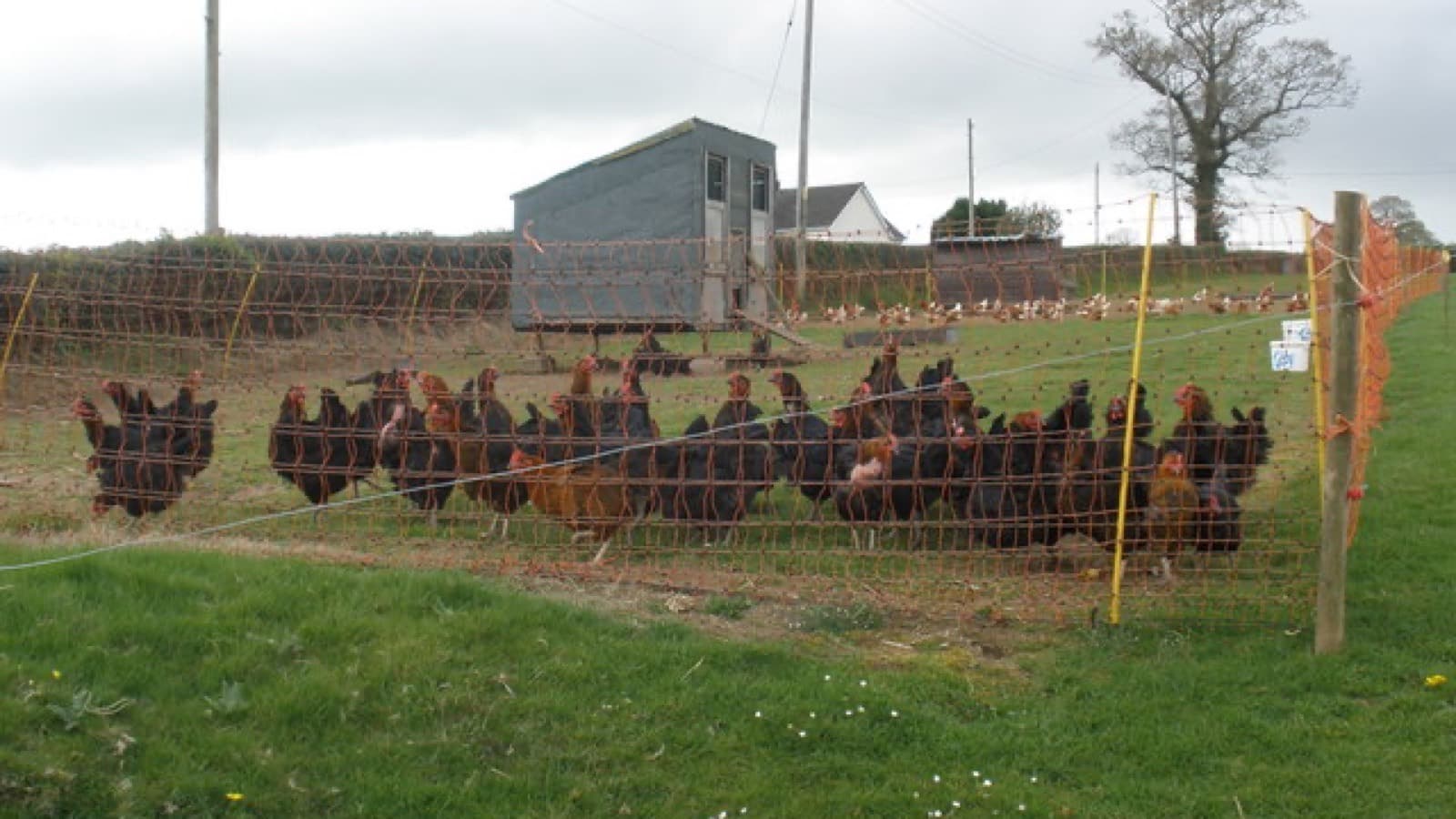

Avian influenza, usually called bird flu, is a viral disease of birds caused by influenza A viruses, and it matters to vets because the highly pathogenic strains kill poultry and wild birds on an enormous scale, are legally notifiable in the UK, and can occasionally cross into mammals including people. Vets sit at the centre of the response: they recognise and report suspected cases, advise on biosecurity, carry out surveillance on behalf of government, and make the difficult decisions about culling that stop an outbreak spreading.
It is one of the clearest working examples of One Health, where animal health, human health and environmental health cannot sensibly be separated.
This is one of the most useful topics an applicant can prepare, and not because it is likely to be the exact question you are asked. Preparing it forces you to discover a side of the profession most candidates never mention. The applicants I coach almost all arrive talking about first opinion practice. Very few know there is a state veterinary service, or that a vet can spend a whole career in epidemiology and never hold a consult. Interviewers notice when a candidate understands that breadth.
Be realistic about how it will come up. Avian influenza may be raised directly, or it may sit inside a broader question about disease control, ethics or the vet's role in society, and in some interviews it will not appear at all. It is one of several issues worth having ready, and you can see the others in our guide to veterinary hot topics for your vet school interview alongside our bank of vet school interview questions.
One request, and I mean it genuinely: check the current situation yourself in the week before your interview, because outbreak levels and control measures change from season to season.
What is avian influenza?
Avian influenza is caused by influenza A viruses that circulate naturally in wild birds, particularly waterfowl such as ducks, geese and swans, which can carry them without appearing unwell. The viruses are named after two surface proteins, haemagglutinin and neuraminidase, which is where labels like H5N1 come from. Influenza mutates readily and can also reassort, meaning two flu viruses infecting the same cell can swap segments of genetic material and produce something new. That capacity for change is why it is watched so carefully.
The distinction you must be able to explain is between low pathogenic and highly pathogenic avian influenza. Low pathogenic strains typically cause mild signs, or nothing obvious at all. Highly pathogenic strains cause devastating, rapidly fatal systemic disease, and a flock can go from apparently healthy to very high mortality within a couple of days.
Crucially, the categories are not fixed. Certain low pathogenic H5 and H7 viruses can mutate into highly pathogenic forms once they circulate in poultry, which is why H5 and H7 infections are notifiable in the UK even when the birds are barely ill.
Notifiable means something legal: suspicion must be reported to the Animal and Plant Health Agency, and that duty falls on keepers and vets alike. For interview purposes you do not need virology beyond this. Knowing that H5 and H7 are notifiable, and what notifiable actually means in law, already puts you ahead of most candidates.
Why has H5N1 been so significant?
The H5N1 lineage that spread globally from around 2021 produced what has been described as the largest avian influenza outbreak on record. What made it unusual was not only its scale but its persistence. Historically, European outbreaks followed a seasonal pattern linked to bird migration. This lineage kept circulating outside the expected season, crossed continents, and reached regions including South America and the Antarctic that had previously been spared.
The impact on wild birds has been heartbreaking, and I do not use that lightly. Seabird colonies were hit hard, with mass mortality in species such as gannets and terns, birds that are long lived, slow to breed and already under pressure. This is a conservation story as much as a farming one. For poultry it has meant enormous numbers of birds culled worldwide, severe financial losses and disruption to supply.
There is a human cost applicants skip past: keepers spend years building up a flock, and the arrival of a control team is one of the worst days of their working life. If you have done work experience on a poultry or mixed unit, this is worth reflecting on, and our vet work experience guide covers turning placement observations into interview material.
Can bird flu infect mammals?
Yes, and this is the part of the story that changed the conversation. Infections have been reported in wild carnivores including foxes and otters, thought to have become infected largely through eating dead or dying birds. There have been outbreaks in farmed carnivores, notably a mink farm in Spain in 2022 that drew attention because of the possibility of transmission between the animals themselves. Marine mammals in South America have also died in large numbers.
The development that surprised almost everyone was the detection of H5N1 in dairy cattle in the United States, reported from 2024 onwards. Influenza in cattle was not something the profession expected to be dealing with. Affected cows showed reduced yield and abnormal milk, and virus was found in high quantities in milk. A small number of people working closely with infected cattle and poultry developed infections, most of them mild.
Each spillover matters beyond the animals affected, because every time the virus replicates in a mammal it has a chance to acquire changes that adapt it to mammalian hosts. That is why surveillance in mammals is now a genuine priority. This is the part an interviewer is most likely to probe, because it is where animal health becomes human health. Be ready to explain why a spillover into cattle or foxes concerns scientists more than a case in a wild bird does.
Could bird flu cause a human pandemic?
Here I would ask you to be measured, because candidates either frighten themselves into overstatement or dismiss it too casually. The accurate position is this: human infections with H5N1 have occurred, they have almost always followed close contact with infected animals, and sustained human to human transmission has not been established. At the same time the concern is entirely legitimate.
Influenza viruses change, mammalian spillovers give them more chances to change in the wrong direction, and the historical influenza pandemics all involved viruses with animal origins. The UK Health Security Agency monitors human cases, APHA and Defra handle the animal side, and the World Organisation for Animal Health coordinates internationally.
The phrasing I encourage applicants to use is that avian influenza is watched closely because it has pandemic potential, not because a pandemic is expected. That is honest and shows you can hold uncertainty without exaggerating it. If an interviewer pushes you on how likely it is, the strongest answer is that nobody can put a reliable number on it, which is exactly why surveillance matters. Controlling the virus in animals is the most effective way of reducing risk to people, and that is veterinary work.
What happens when bird flu is suspected on a UK farm?
Understanding the mechanics separates a candidate who has read a headline from one who has thought about the profession. Defra sets policy and APHA delivers the operational response, with the devolved administrations responsible in Scotland, Wales and Northern Ireland. During periods of raised risk an avian influenza prevention zone may be declared, making enhanced biosecurity a legal requirement for all bird keepers, sometimes accompanied by a housing order requiring birds to be kept indoors.
Housing orders have been imposed across parts of the UK during high risk periods, and they bring complications of their own, including welfare considerations for birds unused to being housed.
Biosecurity is the unglamorous heart of all this: dedicated footwear and clothing, disinfectant foot dips, controlling visitor access, keeping feed where wild birds cannot reach it. If you have seen any of this on a farm placement, say so, because a concrete observation beats an abstract statement every time. I have had applicants describe stepping through a foot dip without realising they were watching disease control in action.
The table below sets out the broad sequence when the disease is suspected. Details vary case by case.
| Stage | What happens |
|---|---|
| Suspicion reported | A keeper or private vet suspects disease and must report it to APHA by law. |
| Official investigation | An APHA veterinary officer attends, examines the birds and takes samples. |
| Immediate restrictions | Movement of birds, eggs, people and equipment is restricted at once. |
| Laboratory confirmation | Samples go to the national reference laboratory to confirm type and strain. |
| Culling of the flock | Infected and in-contact birds are humanely culled to remove the source. |
| Zones around the site | Protection and surveillance zones impose controls on nearby keepers. |
| Cleansing and tracing | The premises are cleaned and contacts traced before restrictions lift. |
| International reporting | The UK notifies WOAH, which has consequences for poultry trade. |
What do government vets actually do?
This is the part I most want you to take away, because almost nobody arrives knowing it. The UK has a state veterinary service, headed by the Chief Veterinary Officer. Below that sit veterinary officers employed by APHA who investigate suspected notifiable disease, run surveillance, manage outbreak response and advise on policy. There are veterinary epidemiologists modelling how disease spreads, vets in laboratories doing the diagnostic work that underpins everything else, and vets working on export certification, because a country's disease status determines what it can sell.
There is also veterinary public health in the narrower sense, including vets in abattoirs and food production protecting the food supply, and Official Veterinarians in private practice authorised to carry out government work such as certification and testing alongside their clinical caseload. That last point matters, because the boundary between practice and state work is porous rather than absolute.
One Health is the framework that ties this together: the recognition that human, animal and environmental health are interconnected and that problems at that intersection cannot be solved by one profession alone. Avian influenza is a textbook illustration, taking in wild bird ecology, farming systems, animal welfare, food safety and pandemic preparedness at once. The same framing applies to antimicrobial resistance in veterinary medicine and to bovine TB and the badger cull, another notifiable disease with a contested control policy.
The ethics of culling healthy birds
Let us be honest about what culling means. When highly pathogenic avian influenza is confirmed, it is not only the visibly sick birds that are killed. The whole flock goes, including birds that are perfectly healthy at that moment, because leaving them would leave a reservoir of infection. Anyone who describes that breezily has not thought about it properly.
The reasoning is population level rather than individual level. A vet in a consult room is usually acting for the animal in front of them. A vet in outbreak control is acting for a much larger population: the birds on neighbouring farms that will be spared, wild birds that will not be further exposed, the livelihoods of keepers across the region, and potentially human health.
Allowing an infected flock to run its course would mean far more birds dying of a genuinely horrible disease. Culling is not a failure of welfare concern. It is a welfare decision made at a scale most people never have to think about.
That does not mean the tension disappears. There are real questions worth acknowledging: whether the methods used are as humane as they can be, the toll on the people who carry it out and on the keepers who lose their flocks, and whether the way we produce poultry contributes to the risk in the first place. Vaccination of poultry is debated internationally too. You do not need to resolve any of this at interview. You need to show you can see it.
Example vet school interview questions on avian influenza and veterinary public health
Avian influenza is rarely a virology test. It is a way of finding out whether you understand that veterinary work reaches well beyond the consulting room. These are the questions I prepare applicants for.
| Question you might be asked | What the interviewer is testing |
|---|---|
| How would you feel about culling healthy birds to control disease? | Composure on an emotive decision |
| What role do vets play in preventing pandemics? | Awareness of veterinary public health |
| What would you do if you suspected a notifiable disease? | Knowing the legal duty to report |
| Why does bird flu in dairy cattle worry scientists? | Grasp of spillover and adaptation risk |
| How does avian influenza illustrate One Health? | Connecting animal and human health |
| Would you ever consider working for government as a vet? | Understanding the breadth of the profession |
| How would you explain a housing order to an anxious keeper? | Communication during an outbreak |
How to answer a vet school interview question on culling and public health
A question I have heard put to applicants, in various forms, is this: "If avian influenza were confirmed on a farm, healthy birds in that flock would still be culled. How would you feel about being involved in that?"
Here is the shape of answer I coach towards. It is not word perfect, and it should not be, because interviewers are listening for how you think rather than what you have memorised. "I think I would find it genuinely difficult, and I would be worried about anyone who did not. These are healthy animals and I have chosen this career because I care about animals, so it is not something I could do casually.
But I think I would be able to do it, because I understand why it happens. If an infected flock is left, the disease spreads through it and the birds die anyway, usually very unpleasantly, and it spreads to other farms and back into wild birds. So the choice is not between these birds living and these birds dying. It is between a smaller number dying now under controlled conditions and a much larger number suffering later.
There is also the human side, because the virus can infect people in close contact with infected animals, and vets have a duty to public health."
"The part I would find hardest is the farmer. Somebody has usually built that flock over years, and the vet is the person standing in their yard on the worst day of their working life. So my honest answer is that I would not enjoy it, I would expect it to affect me, and I would still do it, because I think that is part of what the profession is."
Nothing there pretends the decision is easy, and that is why it reads as truthful. It shows the candidate understands that a vet's duty extends beyond the animal in front of them to the wider population and to public health. It reaches for the actual reasoning, that culling prevents greater suffering, and it acknowledges the human cost.
The tone stays composed on an emotive subject, which is what an interviewer is testing. They do not want a candidate who is unmoved. They want one who can be moved and still reason clearly.
There are three ways applicants lose marks here. The most common is saying you could never be involved in culling because you love animals too much, which sounds principled but tells the panel you have not understood the breadth of the profession or the welfare logic behind population control. The opposite error is being coldly clinical, reeling off control measures with no acknowledgement that healthy animals are dying and a family may be losing its business.
A third is factual muddle, usually blurring avian influenza with bovine TB or Newcastle disease. There is more on tone and delivery in our key tips for veterinary interview success.
How to prepare avian influenza for your vet school interview
Preparation here is less about memorising and more about being able to hold a short, honest conversation. Make sure you can define avian influenza in a sentence, explain the difference between low and highly pathogenic strains, say why it is notifiable, outline what happens when it is suspected on a farm, name APHA and Defra, and explain why mammalian spillover concerns people.
Then, and I would treat this as non-negotiable, check the current picture in the days before your interview. Look at the government guidance on avian influenza and any prevention zone or housing requirements in force. It takes twenty minutes and it protects you from confidently describing a situation that has moved on.
Practise saying it out loud, ideally to someone who will interrupt you and ask why. Reading an argument and defending one are different skills. Structured interview preparation is part of The Vet Offer Programme if you would like that practice with someone who has sat on the other side of the table. Keep your facts modest and accurate and you will handle this topic well.
Common questions
What is avian influenza?+
Avian influenza, or bird flu, is a disease of birds caused by influenza A viruses that circulate naturally in wild waterfowl. Strains are classed as low pathogenic, causing mild or no signs, or highly pathogenic, causing rapidly fatal disease with very high mortality in poultry. Certain low pathogenic H5 and H7 viruses can mutate into highly pathogenic forms, which is why they are notifiable by law in the UK.
Can bird flu spread to humans?+
Human infections with avian influenza have occurred, almost always in people with close contact with infected birds or other infected animals such as dairy cattle. Most reported cases have been mild, though severe illness has occurred. Sustained human to human transmission has not been established. Health agencies monitor the situation closely because influenza viruses change readily, so the risk is taken seriously without being overstated.
Why are birds culled when bird flu is found?+
When highly pathogenic avian influenza is confirmed, the whole flock is culled, including birds that are still healthy, because leaving them would leave a reservoir of infection. Without that, disease would spread through the flock and on to neighbouring farms and wild birds. Culling is a population level welfare decision: a smaller number of animals die under controlled conditions to prevent far greater suffering and spread.
What does a government vet do?+
Government vets work outside clinical practice on disease control and public health. In the UK, veterinary officers at the Animal and Plant Health Agency investigate suspected notifiable disease, run surveillance, manage outbreak response, and advise on policy set by Defra. Others work in laboratories, epidemiology, export certification, and food safety. The state veterinary service is led by the Chief Veterinary Officer.
How does the UK respond to an avian influenza outbreak?+
Suspected cases must be reported to the Animal and Plant Health Agency by law. A veterinary officer investigates, restrictions are imposed on the premises, and samples are tested to confirm the strain. Affected flocks are culled, protection and surveillance zones are applied around the site, and the premises are cleaned before restrictions lift. During high risk periods, prevention zones and housing orders may also apply.
Why is avian influenza a One Health issue?+
One Health recognises that human, animal and environmental health are interconnected. Avian influenza involves all three: wild bird ecology and conservation, poultry farming and animal welfare, food safety, and human pandemic preparedness. Controlling the virus in animals is the most effective way to reduce risk to people, which is why veterinary surveillance and outbreak control count as public health work as well as animal health work.
Do vet schools ask about avian influenza at interview?+
It can come up, usually as a question about culling, disease control or the role of vets in public health rather than as a test of virology. UK vet school interviewers are looking for awareness that veterinary work extends well beyond clinical practice, and for the composure to discuss a decision such as culling healthy birds without either dismissing it or being overwhelmed by it.